Free Parks And Gardens In Paris: Every Green Space That Costs Nothing
Paris runs more than 550 public parks and gardens, and almost all of them cost nothing to enter. This guide sets out which ones are free, what their 2026 hours actually are, where you can picnic legally, and which green spaces quietly charge.
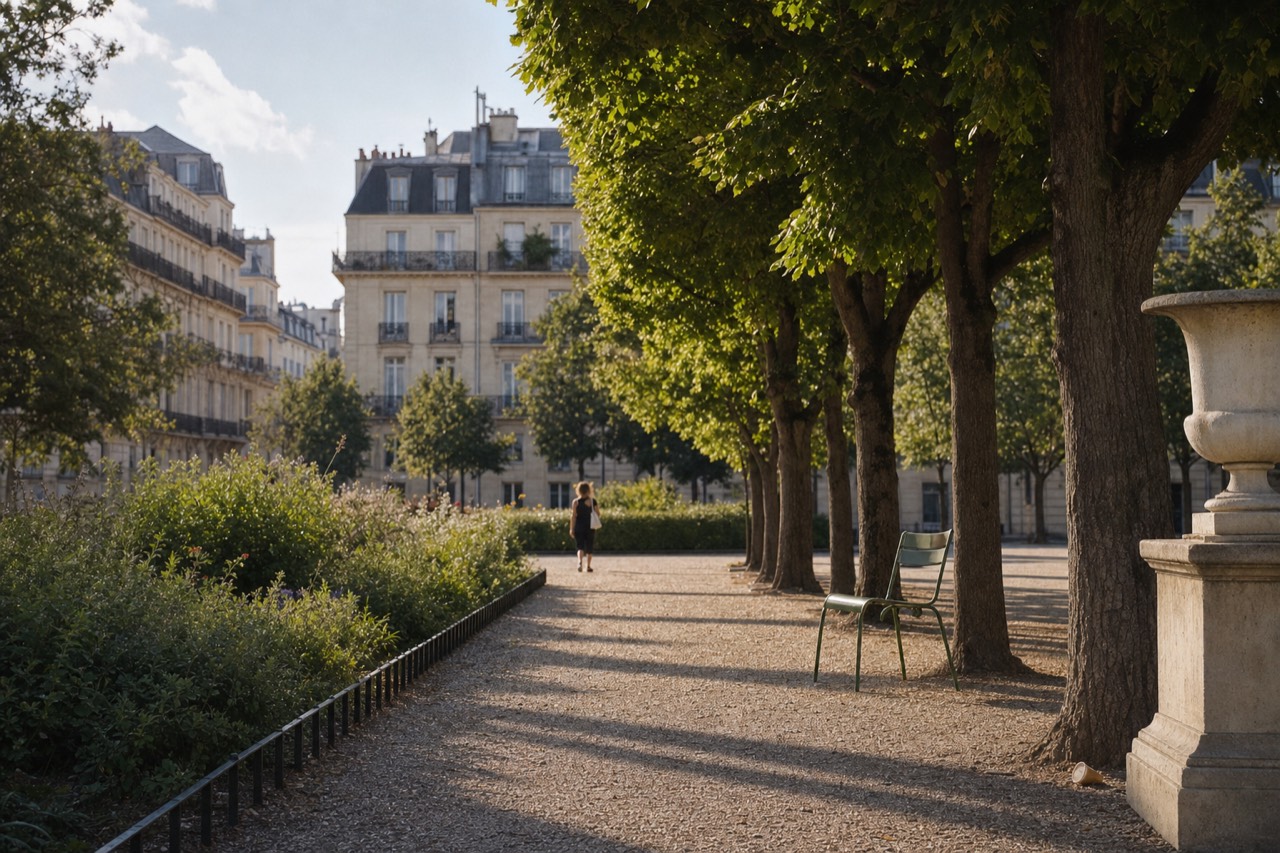
Short answer
Entry to Paris parks and gardens is free almost everywhere: the Jardin du Luxembourg, the Tuileries, the Palais-Royal, Buttes-Chaumont, Montsouris, Belleville and Pere-Lachaise cemetery all cost nothing. About a quarter of City-run parks stay open 24 hours. The exceptions are the Parc Floral and Bagatelle from April to September, at 2.80 euros, and the Jardin d'Acclimatation, which is a paid amusement garden.
The striking thing for a visitor is how little of Paris's greenery costs money. The City of Paris manages more than 550 parks, gardens and squares, and entry is free at essentially all of them, from the formal gravel of the Jardin du Luxembourg to the wild slopes of Belleville. The paid exceptions are few, specific and easy to avoid once you know them.
This guide, from Free Things To Do In Paris, walks through the free green spaces neighbourhood by neighbourhood, with the opening hours published for 2026, the picnic and alcohol rules that actually apply, and the closures and paid traps that catch out visitors following older advice. Pere-Lachaise, Montmartre and the Latin Quarter each get their own section, because those are the three areas where free parks and free walking tours overlap most usefully.
Which Parks And Gardens In Paris Are Free To Enter?
Almost every park and garden inside Paris is free to enter, including the Jardin du Luxembourg, the Tuileries, the Jardin des Plantes, the Palais-Royal, Parc Monceau, Parc Montsouris, the Parc des Buttes-Chaumont and the Bois de Boulogne and Bois de Vincennes. The only green spaces that charge are the Parc Floral and the Parc de Bagatelle from April to September, at 2.80 euros, and the Jardin d'Acclimatation, which is a paid amusement garden rather than a park.
That free rule covers the big formal gardens and the small neighbourhood squares alike. The Jardin du Luxembourg is run by the French Senate rather than the City, and it is still free, with hours that shift twice a month with sunset: 07:30 to 19:45 for 1 to 15 September 2026, and 07:30 to 19:15 for 16 to 30 September (checked September 2026). The Tuileries, run by the Louvre, publishes its entrance fee on the Louvre's own admission page as simply "Free". The Jardin du Palais-Royal is free and open daily 08:00 to 22:30 (checked September 2026), though the palace buildings around it house government ministries and are not walk-in spaces. Families planning a day out with children can stretch these free green spaces further, since Paris also lets under-18s into the Louvre free and keeps eleven City museums free every opening day (see Free Paris With Kids).
The two big woods on the city edge, the Bois de Boulogne to the west and the Bois de Vincennes to the east, are free to enter on foot at any time. One caution for autumn 2026: the City has advised visitors to avoid parts of the Bois de Vincennes because of storm-damaged trees from 27 August, so check the current state of a sector before planning a long walk there.
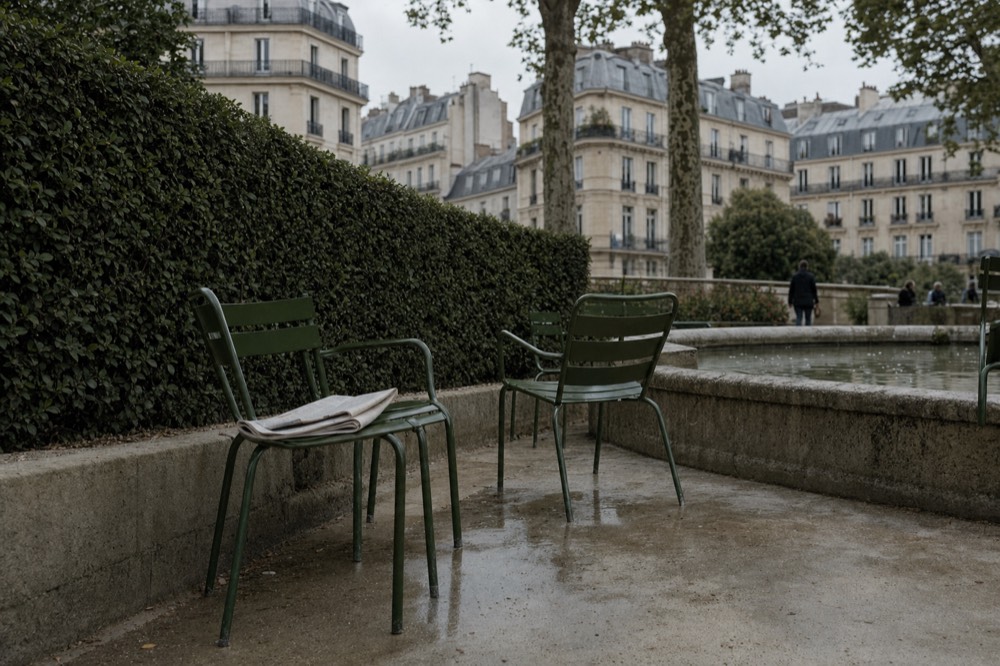
Here is the practical overview of the major free spaces, with what each one is actually like.
| Park or garden | Arrondissement | Entry | What it is best for |
|---|---|---|---|
| Jardin du Luxembourg | 6th | Free | Lawns, chairs, the Medici Fountain, free railing exhibitions |
| Jardin des Tuileries | 1st | Free | Formal terraces between Concorde and the Louvre |
| Jardin du Palais-Royal | 1st | Free | Covered arcades, striped bollards, quiet gravel courts |
| Parc des Buttes-Chaumont | 19th | Free | Cliffs, waterfall, big open lawns |
| Parc de Belleville | 20th | Free | The best free skyline view in the east |
| Parc Monceau | 8th | Free | English-style lawns, follies, locals' park |
| Jardin des Plantes | 5th | Free | Botanical gardens, alpine garden, zoo is paid |
| Cimetiere du Pere-Lachaise | 20th | Free | A free, leafy cemetery to wander, open every day |
| Square Louise Michel | 18th | Free | The terrace below Sacre-Coeur |
For a deeper neighbourhood-by-neighbourhood treatment, the guides to free things to do in Montmartre and free things in the Latin Quarter cover the squares and gardens those sections only summarise here.
What Are The Opening Hours For Paris Parks In 2026?
Paris park hours vary by owner and by season. About a quarter of the 550-plus City-managed parks and squares are open 24 hours a day all year, roughly 140 of them, while the largest parks open at 07:00 year-round and the state-run gardens such as the Tuileries, the Palais-Royal and the Jardin des Plantes close every evening. The Jardin du Luxembourg, run by the Senate, changes hours twice a month with sunset.
The 24-hour figure comes from the City's own night-opening page, which also carries the caveat most guides miss: the state-managed gardens are not in the City's night scheme at all. The Tuileries, the Louvre gardens, the Palais-Royal, the Jardin des Plantes, the Luxembourg, the Parc de la Villette and the Jardin d'Acclimatation all close at night, every night. So "Paris parks are open 24 hours" is true of many City squares and false of most of the famous gardens, and knowing which side of that line a park sits on changes your evening plans completely. The City's own page on nocturnal park opening lists the detail.
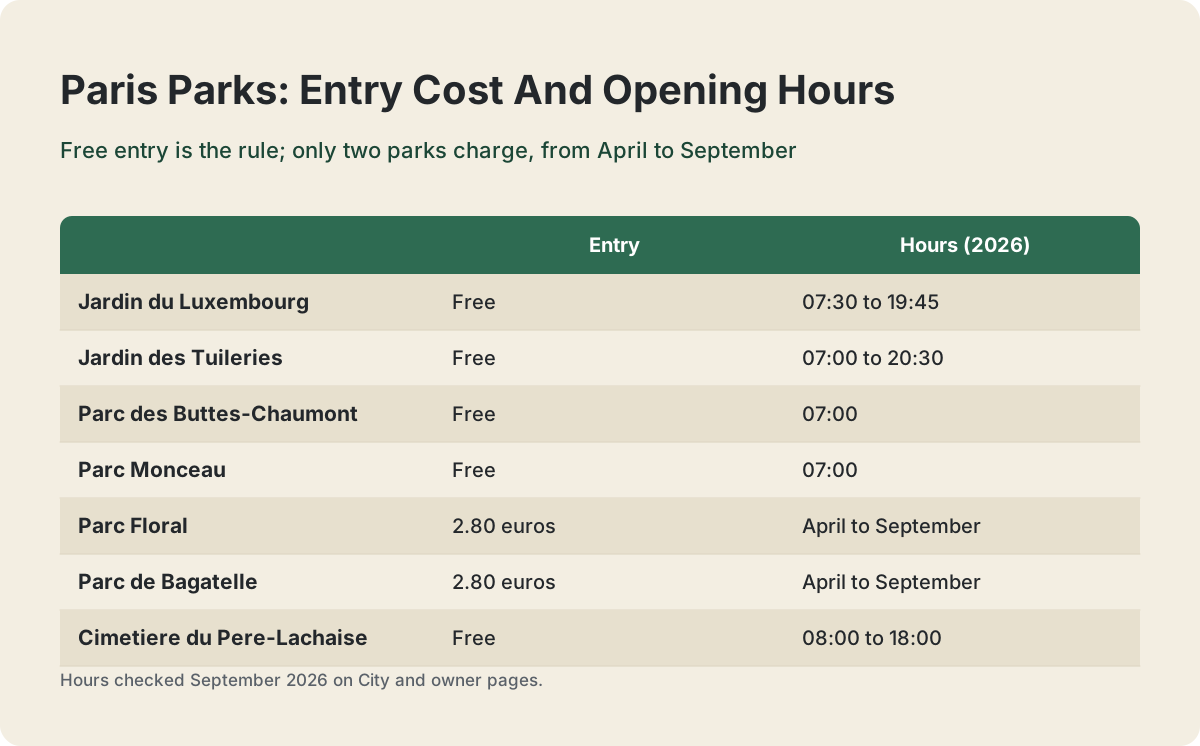
For 2026 specifically, the hours worth writing down are these. Buttes-Chaumont, Monceau, Montsouris and Clichy-Batignolles already open at 07:00 all year. The Tuileries runs 07:00 to 20:30 from 1 to 14 September 2026, an earlier close than its summer norm because the Olympic cauldron is back in the garden until 14 September (checked September 2026). The Luxembourg's September hours are in the paragraph above, and the Senate publishes the full table at its own hours page. The City also ran a summer late-opening scheme in 2026, keeping fourteen gardens that normally close around 21:00 open until midnight from 4 July to 6 September; treat that as a seasonal programme to re-check for 2027, not a standing rule.
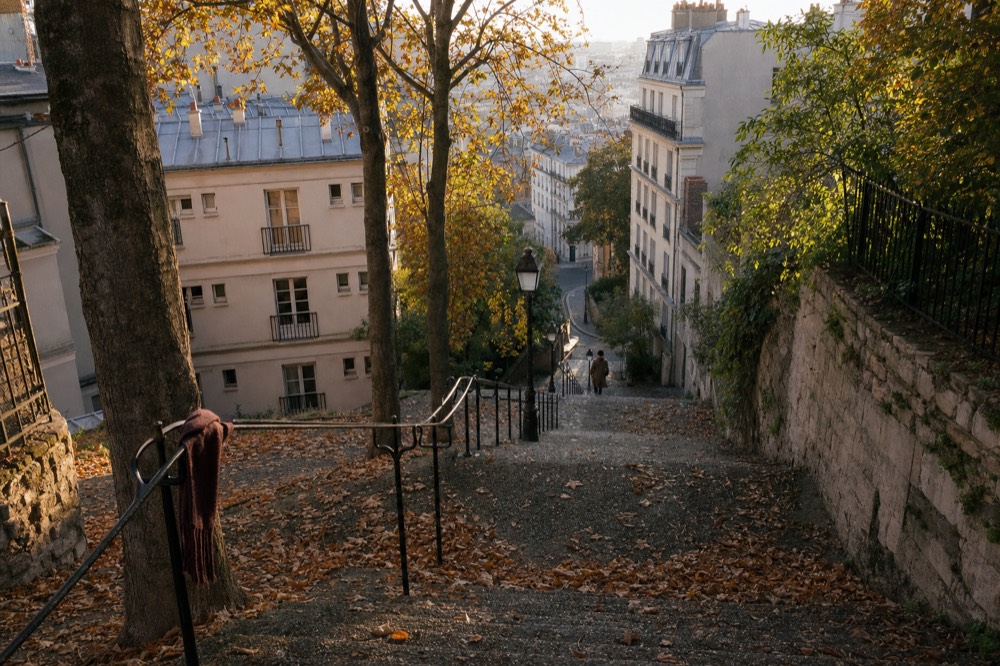
If you would rather have a local guide frame the city than read hours tables, a free walking tour is the other genuinely free way to see Paris, and it pairs well with a parks day. These are free walking tours run by independent local guides and listed on GuruWalk: booking costs nothing, and at the end each walker gives the guide what they think the walk was worth.
Is Pere-Lachaise Cemetery Free To Visit?
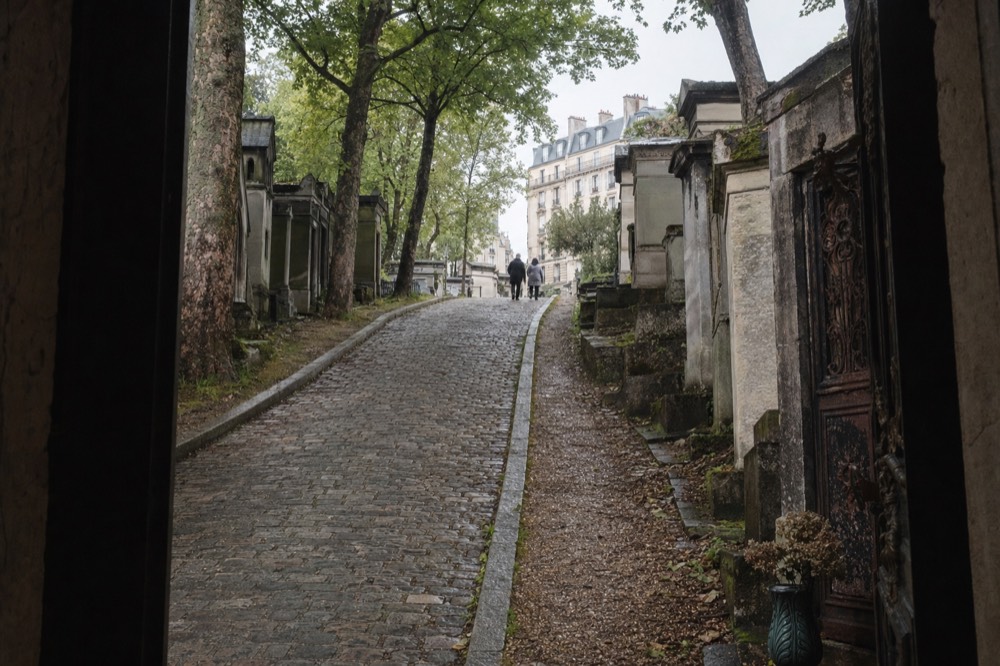
Yes, Pere-Lachaise is completely free to enter, and it is one of the largest green spaces in eastern Paris. For the period 16 March to 5 November 2026 the hours are 08:00 to 18:00 Monday to Friday, 08:30 to 18:00 Saturday and 09:00 to 18:00 Sunday (checked September 2026). No ticket, no booking, no guided requirement, though the main gate on Boulevard de Menilmontant is the practical entrance for first-time visitors.
Pere-Lachaise is a park in everything but name: 44 hectares of cobbled lanes, mature trees and the graves of Jim Morrison, Oscar Wilde, Edith Piaf and Chopin, all free to walk. The City publishes the current hours and access notes on its own Pere-Lachaise page. One dated operational note from August 2026: the Porte Menilmontant was closed to vehicles for a period, which matters if you are arriving by taxi rather than on foot or by metro.
The cemetery is also the one Paris green space where a free guided walk adds the most, because the stories are the whole point and almost none of them are on the gravestones. The Pere Lachaise Scandals walk, in English, is a free walking tour run by an independent local guide and listed on GuruWalk, rated 4.96 across 96 reviews on GuruWalk (checked September 2026), running 2 hours and 15 minutes and meeting at the cemetery main gate in front of 21 Boulevard de Menilmontant.
The free alternative is to walk it yourself with a map of the famous graves, and that works perfectly well on a quiet weekday morning. What a self-guided walk misses is the gossip: the duels, the exhumations, the door that was moved to keep a promise. Whichever way you go, allow at least two hours, wear shoes that can handle cobbles, and check the closing time before you enter, because the gates are strict and the lanes are easy to get lost in.
What Can You Do For Free On The Butte Of Montmartre?
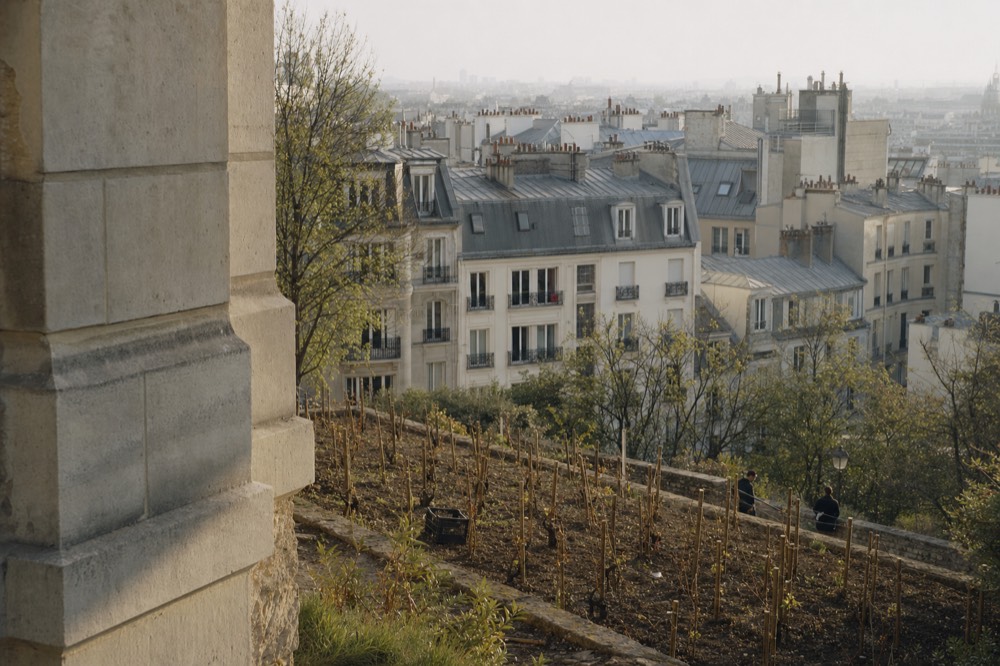
Montmartre's outdoor highlights are free: the Square Louise Michel below Sacre-Coeur, the vineyard of the Clos Montmartre viewed from the surrounding lanes, the quiet gardens of the Musee de Montmartre's surroundings and the whole village streetscape. Sacre-Coeur basilica itself is free and open every day of the year, 06:30 to 22:30 (checked September 2026), which makes it one of the latest-open major interiors in Paris.
The basilica's own crowd note is worth planning around: between 10:30 and 17:00 expect a 10 to 15 minute wait to enter the sanctuary (checked September 2026). The dome above it is the one paid thing on the hill, 8 euros from age 16, sold on site only with no advance booking at all. The steps beside the funicular are free either way, and the view from the Square Louise Michel terrace is free too.
One correction to almost every older list: the Mur des Je t'aime, the "I Love You" wall in Square Jehan Rictus, has been closed since early March 2026 after the structure weakened, with barriers in place, according to reports from spring 2026. Until it reopens, do not build a Montmartre walking route around it. Montmartre also carries a real crowding problem: residents count more than 11 million visitors a year, and a same-week visitor note from August 2026 said of Sacre-Coeur simply that on a Saturday "you cannot move at all". Go early on a weekday.
The hill's village history, from the painters' studios to the absinthe era, is exactly what a free guided walk covers best. The Walkative! Montmartre walk, 5 stops, is a free walking tour run by an independent local guide and listed on GuruWalk, rated 4.72 across 1,484 reviews on GuruWalk (checked September 2026), lasting 2 hours and 15 minutes and meeting at Blanche metro station.
For a slower, art-focused angle on the same streets, the Bilingual Art and Bohemia walk is another free walking tour run by an independent local guide and listed on GuruWalk, rated 4.97 across 1,001 reviews on GuruWalk (checked September 2026), running 2 hours and 30 minutes in English and Spanish. It suits visitors whose main interest in Montmartre is the painting and the bohemia rather than the photo stops.
If you would rather walk the hill alone, the self-guided walking tour of Paris route covers Montmartre's free outdoor layer without a guide at all.
Which Latin Quarter Gardens Cost Nothing?
The Latin Quarter's free green spaces include the Jardin des Plantes, the Arenes de Lutece, the Jardin du Luxembourg on its northern edge and, since late January 2026, the entirely new Jardins du Val-de-Grace, sixteen thousand square metres on the site of the former military hospital, with 429 trees in total. All are free to enter; the small zoo inside the Jardin des Plantes is the one paid exception inside a free garden.
The Jardins du Val-de-Grace are the genuinely new item that no older guide can have: they opened to the public in late January 2026, with 252 new trees planted on top of 180 existing ones and the vegetated share of the site raised from 61 to 72 percent. It sits in the 5th arrondissement, a short walk from the Pantheon, and it is the quietest large green space in the district precisely because most visitors have never heard of it.
The Jardin des Plantes is the other anchor: free botanical gardens with an alpine garden and long tree-lined alleys, though note it is state-run and closes in the evening like the other national gardens. The Arenes de Lutece, the buried Roman amphitheatre turned public garden, is free and open the hours of a City square. The Luxembourg, on the district's northern edge, adds a free cultural layer most visitors miss: the Ete du Jardin du Luxembourg ran 19 June to 29 September 2026 with about twenty free exhibitions along the railings and at the Orangerie, a programme the Senate renews each summer. Two park rules to know before you go: lawn walking is prohibited on most of the Luxembourg lawns, and pets are banned except in one designated leash zone. For anyone planning a picnic, the same City spaces are among the more than 300 municipal sites where Paris runs a free wifi network, though sessions are limited to two hours and fake hotspot names are a known risk (see Free WiFi In Paris).
Where Can You Picnic Legally In Paris?
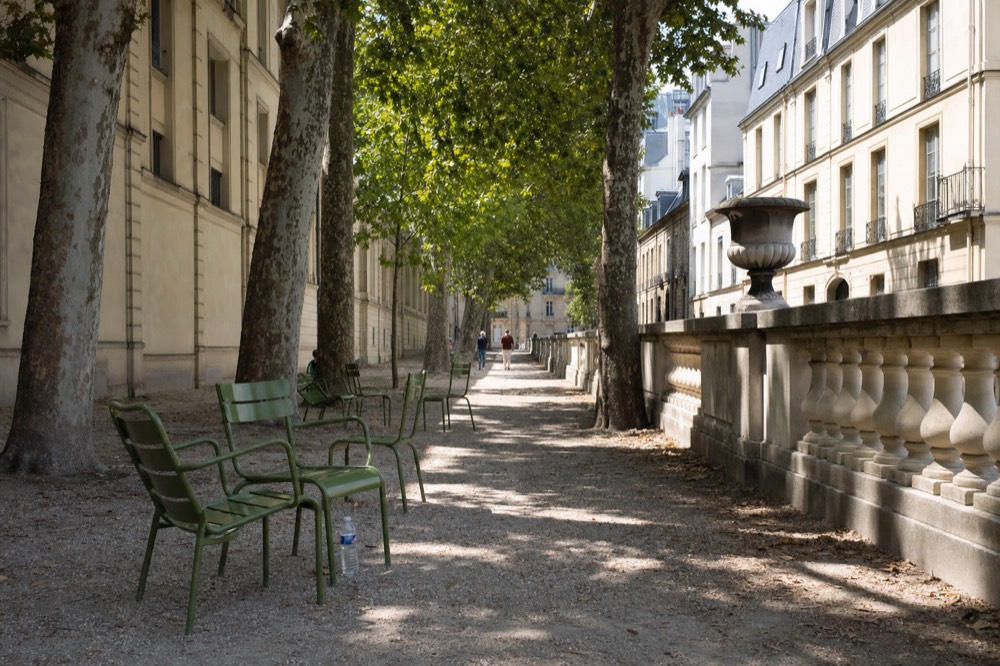
Picnics are expressly allowed in City of Paris parks and gardens, on condition you leave the place clean, and groups of more than 30 people need prior authorisation. Drinking alcohol is forbidden in City parks and green spaces outside licensed premises, so wine with your picnic on a City lawn is against the rules. Tap water, by contrast, is free: French law obliges restaurants and cafes to serve it free on request to customers eating on the premises.
Those picnic and alcohol rules come from the City's own parks regulation, an order of the Mayor of Paris applying to all City squares, parks, gardens and green spaces. Barbecues and all other fires are banned in the same spaces. In practice enforcement of the alcohol rule is described by visitors as rare unless a group is loud, but the honest answer for a planning page is that it is a rule, not a folklore. One nuance: the regulation covers City-owned spaces, and it is not verified which of the famous non-City gardens, like the Luxembourg, fall under it, so treat the alcohol ban as certain on City land and unverified elsewhere.
The free-water side of a picnic day is genuinely generous. Paris has 1,323 drinking fountains in the City's live open-data file, with 1,238 marked available (checked September 2026), and 17 of them serve free sparkling water, chilled tap water with CO2 added. The live official map of all of them is at Eau de Paris's fountain map. In a table-service restaurant, ask for "une carafe d'eau" and it is free by law, a duty that comes from France's 2020 anti-waste law; a passer-by who orders nothing is not covered, and a cafe may charge for a glass outside a meal.
| Picnic question | The actual rule | Who says so |
|---|---|---|
| Can I picnic in a Paris park? | Yes, allowed, leave the place clean | City of Paris parks regulation |
| Can my group of 40 picnic? | Needs prior authorisation above 30 people | City of Paris parks regulation |
| Can I drink wine on the lawn? | No, alcohol is banned in City parks outside licensed premises | City of Paris parks regulation |
| Can I barbecue? | No, all fires are banned | City of Paris parks regulation |
| Can I refill a bottle? | Yes, at 1,200-plus public fountains, and in shops with the refill sticker | Eau de Paris |
| Is tap water free in a cafe? | Yes, on request, for customers consuming on the premises | French Environmental Code, article L541-15-10 |
Which Free Viewpoints Come From Parks And Gardens?
The best free park viewpoints in Paris are the Parc de Belleville, with its Belvedere Willy Ronis at the top, the terrace of the Square Louise Michel below Sacre-Coeur, the slopes of the Parc des Buttes-Chaumont, and the free rooftop terrace of Galeries Lafayette Haussmann, open during store hours at no charge. The paid alternative that older pages recommend, the Tour Montparnasse observatory, closed on 31 March 2026 for a multi-year renovation.
The Parc de Belleville is the one most worth seeking out: a steep terraced park in the 20th with a genuine panoramic skyline view, free, open 07:00 to 20:30 on weekdays in early September 2026 (checked September 2026). Buttes-Chaumont still gives views from its high ground, but one correction matters: the Temple de la Sibylle, the island, the belvedere, both waterfalls and part of the lake path have been closed behind barriers since September 2021 because of unstable ground, with works estimated at 85 million euros. About 95 percent of the park remains open and free, so go, but do not promise someone the postcard temple shot.
The Tour Montparnasse closure is the change that quietly improves every free viewpoint in the city: the standard advice of paying for the tower's observation deck no longer works, and the free terraces are now simply the best deal in town. The Galeries Lafayette rooftop is free during store hours, with the store's own French and English pages disagreeing by 30 minutes on the evening close, so plan around the earlier one, and note it can close in bad weather.
What Is Free At Night In Paris Gardens?
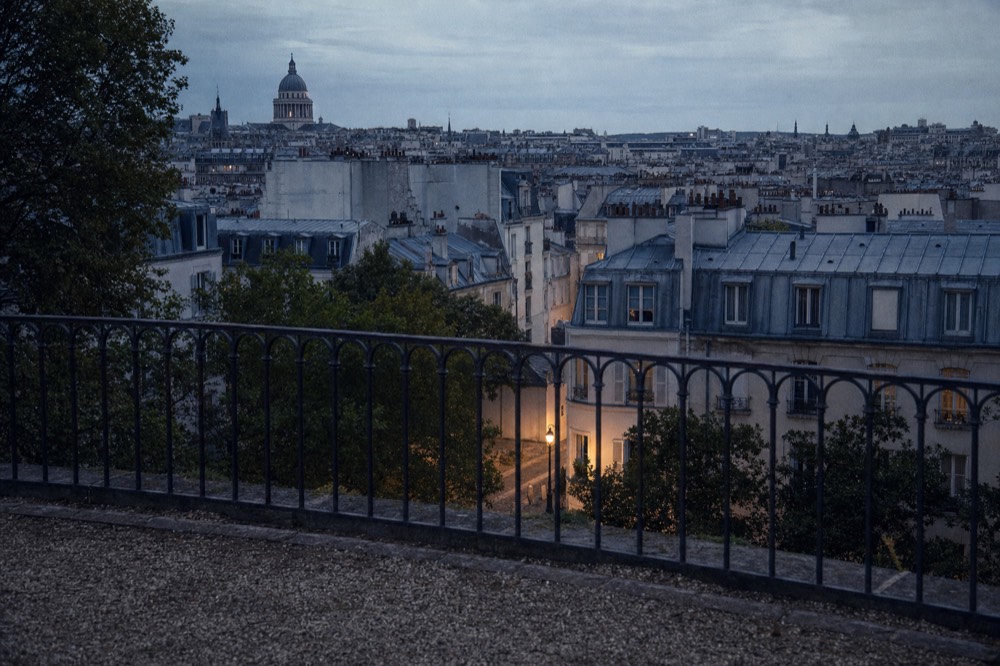
About 140 City of Paris parks, gardens and squares are open 24 hours a day all year, roughly a quarter of the City-managed total, and Sacre-Coeur basilica is free and open until 22:30 every evening. The famous state and Senate gardens, including the Tuileries, the Palais-Royal, the Jardin des Plantes and the Luxembourg, all close at night. In summer the City has also run free nocturnal stargazing sessions in 21 parks.
The stargazing programme is the seasonal gem: Paris sous les etoiles ran 27 June to 5 September 2026, from 21:00 to 01:00, in 21 parks, with the Arenes de Lutece and Parc Georges Brassens among the 2026 additions, run free by the Association francaise d'astronomie. Like all seasonal events, re-check the next edition rather than assuming the dates. For the standing rule, the City's nocturne page is the source, and it is worth repeating the split: City parks can be open all night, national gardens never are.
Night-time park use has ordinary limits. Sleeping overnight in a Paris park is not a City-endorsed activity, and during the June 2026 heatwave the discussion around the all-night openings was about cooling off, not camping. For a fuller treatment of after-dark freebies, see free things to do in Paris at night.
Which Green Spaces Should You Skip Or Pay For?
Three Paris green spaces charge: the Parc Floral de Vincennes at 2.80 euros full and 1.60 euros reduced from April to September, free from October to March; the Parc de Bagatelle at the same seasonal prices; and the Jardin d'Acclimatation, a paid amusement garden from 7 euros. The Domaine national de Saint-Cloud is free on foot, by bike and on horseback, and charges 7 euros only for a car.
The seasonal logic is worth exploiting. The Parc Floral hosts free daytime concerts during its paid summer season, so the same concert series becomes genuinely free in October when the park entry itself drops to zero. Bagatelle, the rose garden of the Bois de Boulogne, follows the identical calendar, free from 1 October to 31 March. The Jardin d'Acclimatation is a different thing entirely, an amusement park in a garden setting, and no part of it is a free park visit.
| Green space | Entry price | Free period or free route |
|---|---|---|
| Parc Floral de Vincennes | 2.80 euros full, 1.60 euros reduced (checked September 2026) | Free 1 October to 31 March |
| Parc de Bagatelle | 2.80 euros full, 1.60 euros reduced (checked September 2026) | Free 1 October to 31 March |
| Jardin d'Acclimatation | From 7 euros (checked September 2026) | None, it is an amusement garden |
| Domaine de Saint-Cloud | 7 euros per car (checked September 2026) | Free on foot, by bike, on horseback |
| Menagerie du Jardin des Plantes | Paid zoo inside a free garden | The surrounding garden is free |
| Sacre-Coeur dome | 8 euros from 16, 5 euros to 15, on site only (checked September 2026) | The basilica itself is free |
Beyond the paid list, the traps are closures rather than prices. The Buttes-Chaumont temple and island are behind barriers for a multi-year restoration. The Mur des Je t'aime in Montmartre is closed for structural safety. The Musee de l'Orangerie's surrounding garden, the Jardin des Tuileries, is free but closes earlier than usual while the cauldron display runs to 14 September 2026. None of these cost money to discover, but each one has disappointed a visitor who followed a page written before the barriers went up.
If a parks day has filled your afternoons and you want the stories behind the streets between them, the free walks below cover the three neighbourhoods this guide has circled: Pere-Lachaise, Montmartre and the Latin Quarter. Each is run by an independent local guide and listed on GuruWalk, free to book, with the guide paid what you choose at the end.
The short answers are these: the Luxembourg, Pere-Lachaise, the Tuileries and about 550 other City green spaces cost nothing to enter; roughly 140 City parks stay open around the clock while the national gardens close at dusk; picnics are allowed on City land but alcohol is not; and the Parc Floral and Bagatelle charge only from April to September. The questions below cover the details visitors ask about most.
Common Questions About Free Parks And Gardens In Paris
Is the Jardin du Luxembourg free?
Yes, entry is completely free, every day. The garden is run by the French Senate rather than the City of Paris, and its hours change twice a month with sunset: 07:30 to 19:45 for 1 to 15 September 2026 and 07:30 to 19:15 for 16 to 30 September (checked September 2026). Lawn walking is prohibited on most lawns and pets are banned except in one designated leash zone.
Can you drink alcohol in Paris parks?
No, not in City of Paris parks and green spaces. The City's own parks regulation forbids consuming alcohol there outside licensed premises and event licences, and it also bans barbecues and all other fires. Picnics themselves are expressly allowed as long as the place is left clean, and groups over 30 need authorisation.
Is Pere-Lachaise cemetery free to enter?
Yes, it is free, with no ticket or booking. From 16 March to 5 November 2026 the hours are 08:00 to 18:00 Monday to Friday, 08:30 to 18:00 Saturday and 09:00 to 18:00 Sunday (checked September 2026). The gates close on time, so plan to be out before 18:00.
Which Paris parks are open 24 hours?
About 140 of the 550-plus City-managed parks, gardens and squares are open 24 hours a day all year, roughly a quarter of the total. The famous state and Senate gardens, including the Tuileries, the Palais-Royal, the Jardin des Plantes and the Luxembourg, are not in that scheme and close every evening.
Is the Parc Floral free?
Only from 1 October to 31 March. From April to September it charges 2.80 euros full and 1.60 euros reduced (checked September 2026). The Parc de Bagatelle follows exactly the same seasonal calendar.
Where can I fill a water bottle in Paris?
At any of the 1,200-plus public drinking fountains, 17 of which serve free sparkling water, and at shops displaying the Eau de Paris refill sticker, which will refill a bottle with no purchase required. The live official fountain map is published by Eau de Paris.